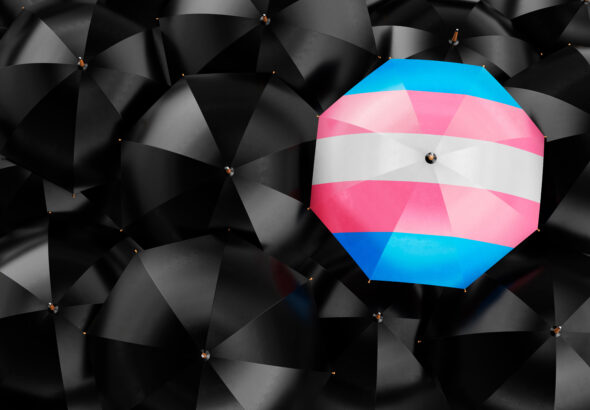
Michigan's Trans Migration Project Is Helping to Protect Trans People Just By Getting Them Somewhere Safe
A faith-based collective of partners across Michigan is shepherding out-of-state trans people to Michigan for the gender-affirming care and affirmation they [...]

Go Girl! Saugatuck Celebrates Women’s Weekend at Nation’s Largest Gay Resort
Women hearing the siren call of Lake Michigan may want to mark May 31-June 2 on their calendars. Those are the days that the largest gay resort in the country [...]
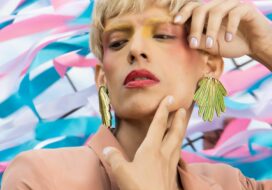
Stand Up Against Book Banning, See the 'Reality Gays' Podcast Tour, Attend a Gender-Affirming Beauty Workshop
It's time for some spring cleaning. Whether that means weeding out the negative Nancys clogging up your social media feed, literally cleaning up your homestead [...]

How David Archuleta Left Behind the Mormon Church and Is Now Flourishing As An Openly Queer Person
When David Archuleta returned to the “American Idol” stage on Monday night, he knew that singing his latest single, “Hell Together,” [...]


Trending on Pride Source


Michigan
Michigan's Trans Migration Project Is Helping to Protect Trans People Just By Getting Them Somewhere Safe
A faith-based collective of partners across Michigan is shepherding out-of-state trans people to Michigan for the gender-affirming care and affirmation they [...]

Go Girl! Saugatuck Celebrates Women’s Weekend at Nation’s Largest Gay Resort
Women hearing the siren call of Lake Michigan may want to mark May 31-June 2 on their calendars. Those are the days that the largest gay resort in the country [...]
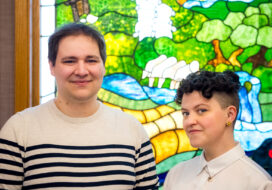
Why So Many Local Queer Folks Are Flocking to Mishpacha, Temple Beth Emeth’s Thriving LGBTQ+ Affinity Group
Ari Smith was a little worried when her rabbi called to ask her about something he was noticing in her part of the sanctuary during weekly services at Temple [...]
Why a Local Academic Is Fostering Queer Discussion and Community Through an Old-Fashioned Book Club
Queer books on public library shelves have come under fire across the country in recent years, but you wouldn’t know it at the Ypsilanti District Library [...]
Biden-Harris Campaign Launches LGBTQ+ Voter Initiative at Affirmations — How You Can Get Involved in the 2024 Election
The election season is officially heating up in Michigan, with a special focus on queer voters. On April 10, local and statewide community leaders and elected [...]
Tips on Selecting a Wedding Venue When You’re Stuck on the ‘Where’
One of the most critical decisions engaged couples will make is choosing a ceremony and reception venue. These choices will impact almost every other choice, so [...]
Politics
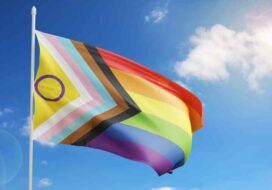
Michigan Democratic Party LGBT and Allies Caucus Holds Spring Meeting
One of the most often derided cliches of political journalism is to say “a lot is at stake in this election” but it is quite literally true this [...]
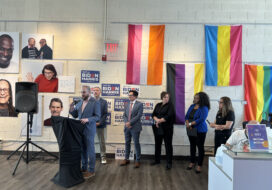
Biden-Harris Campaign Launches LGBTQ+ Voter Initiative at Affirmations — How You Can Get Involved in the 2024 Election
The election season is officially heating up in Michigan, with a special focus on queer voters. On April 10, local and statewide community leaders and elected [...]

How the Recently Passed Michigan Family Protection Act Will Safeguard LGBTQ+ Parents and Families
Michigan Democrats have held a “trifecta” of power since late 2022 when the party flipped both chambers of the House and won the governorship and [...]
LGBTQ+ Southeast Michigan Residents Urged to Weigh in on New Election District Maps
As Michigan voters look ahead to what is sure to be a contentious 2024 election cycle, one overarching — and often, overlooked — issue looms [...]
House Panel Considers Bills Making It Easier for Transgender Michiganders to Change Their Names
Members of the LGBTQ+ community and allies spoke about the additional costs and indignities a person goes through to change their name in Michigan during [...]
Raylon Leaks-May, Ferndale's First Black Mayor, on Her Historic Win and Why She Loves Southeast Michigan's Queer Haven
Queer or not, the mayor of Ferndale is an important figure in Michigan’s LGBTQ+ community. In a city with 19,000 residents that boasts its own LGBTQ+ [...]
Entertainment
How David Archuleta Left Behind the Mormon Church and Is Now Flourishing As An Openly Queer Person
When David Archuleta returned to the “American Idol” stage on Monday night, he knew that singing his latest single, “Hell Together,” [...]
Stand Up Against Book Banning, See the 'Reality Gays' Podcast Tour, Attend a Gender-Affirming Beauty Workshop
It's time for some spring cleaning. Whether that means weeding out the negative Nancys clogging up your social media feed, literally cleaning up your homestead [...]
Everything You Need to Know About the New Queer Bar Coming to Ann Arbor
The rumors are true — there’s a new queer bar coming to Ann Arbor later this year, and Pride Source sat down with co-founder Saharsh Hajela to [...]
Why a Local Academic Is Fostering Queer Discussion and Community Through an Old-Fashioned Book Club
Queer books on public library shelves have come under fire across the country in recent years, but you wouldn’t know it at the Ypsilanti District Library [...]
Kathy Griffin Keeps on Surviving: Comedian Talks Tour, Longtime LGBTQ+ Allyship and Support From 'Civilian Gays'
Kathy Griffin has been through even more than you probably know. She lost a lung to cancer, lost her mother and lost many of her close friends. In 2020, the [...]
‘Queer Drunk Punk’ Author Zehava Frieman on How Growing Up in Grosse Pointe Park Inspired Her Debut Novel
When Zehava Frieman finally sat down to write “Queer Drunk Punk” in 2021 on the tail end of decades of what she describes as “creative [...]
Opinions

Trump Is Old And Tired, But That’s Not What Makes Him Objectively Terrible
I don’t know who needs to hear this, but old people get tired. Which is why disgraced former president Donald Trump fell asleep during day one of his [...]
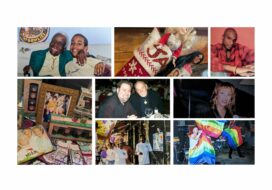
25 and Out!
I am 52 years old and incredibly corny. As I write this, my final column, I keep hearing television variety show sign-off songs in my head, whether it’s [...]
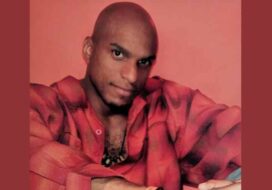
Re-Remembering Brent Dorian Carpenter: A Writer Who Pushed Boundaries With His Fearless Essays
Over the past two decades, I’ve had the pleasure of seeing my name among the bylines in this paper of some pretty talented writers. I was blessed to win [...]
Lies, Lies — and the Conservatives Who Tell Them in Order to Assert Their Dominance
I know that this is going to come as a shock to everyone, but I have to say it: The folks who want to ban transgender people from public bathrooms and overturn [...]
Biden Declares the Easter Bunny Transgender, Conservatives Go Wild
I am writing this on March 31, the 15th annual Transgender Day of Visibility. All over the world people are celebrating the lives of transgender people, [...]
The Under-the-Radar Republican Amendment That Kills the Rainbow Flag
Republicans did something recently that went almost unnoticed. Through one simple act in 1970, the United States became the world's leader in making our [...]
Home
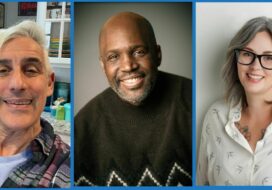
Inside the Homes of Michigan LGBTQ+ Leaders
Home. Is it a place or a feeling? For some people, “home” is just somewhere to lay your head. For others, home can be a safe haven — a [...]

Saying Goodbye to My First Home and Welcoming Homes Yet to Come
Where’s home for you? Is it an apartment, a soft place to land or somewhere where you feel wholly loved, wrapped in the comfort of knowing that [...]
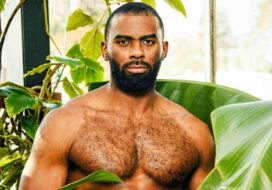
Plant Daddies Everywhere: A Look Inside the Men Who Father Their Foliage
I can't help but notice that Grindr is full of hungry creatures, reaching out to take whatever you can give. They're insatiable.I'm talking about plants, to be [...]
Moving to Spain Has Helped Me Imagine a Queer Future for the U.S.
Once I graduated college, I packed my bags and didn’t look back. My dreams to study abroad had been dashed by the pandemic, but with a diploma to my name, [...]
The First Drag Queen Was a Slave Who Created Safe Spaces for Queer People
You don’t hear the name William Dorsey Swann often enough these days, but Dorsey was a trailblazing 19th-century Black activist who carved out a space for [...]
I Took My Home on the Road. Only Then Did I Discover How to Be Truly at Home With Myself.
When I decided to move my entire life into a 1979 Coachmen RV, most people thought I’d lost my mind. Moving 27 years' worth of my life including my two [...]
Books
Why a Local Academic Is Fostering Queer Discussion and Community Through an Old-Fashioned Book Club
Queer books on public library shelves have come under fire across the country in recent years, but you wouldn’t know it at the Ypsilanti District Library [...]

‘Queer Drunk Punk’ Author Zehava Frieman on How Growing Up in Grosse Pointe Park Inspired Her Debut Novel
When Zehava Frieman finally sat down to write “Queer Drunk Punk” in 2021 on the tail end of decades of what she describes as “creative [...]

6 Picture-Book Biographies of Black LGBTQ+ Americans
In honor of Black History Month — but best read all year round — here are some of my favorite recent children’s biographies of famous Black [...]
Black Trans Activist Raquel Willis on Why Stories Like Hers Need to Be Heard
When Raquel Willis took the stage at the National Women’s March in Washington, D.C. the day after Trump's inauguration in January 2017, with beaming [...]
Fall into a Book: LGBTQ+ Books You'll Want to Add to Your Shelf This Season
We are celebrating queer stories, queer icons and queer authors during National Book Month, a time to honor the importance of reading, writing and literature.
Detroit’s Chinatown Has Vanished, But This Queer Writer Keeps the Memories Alive in New Memoir
In “Everything I Learned, I Learned in a Chinese Restaurant,” author Curtis Chin describes coming of age in Detroit’s Cass Corridor Chinatown [...]